

What’s in the blog:
- What if you could cut costs and reduce weight—without compromising durability or performance?
- The Challenge: Balancing Protection with Efficiency
- Material Innovation: The First Frontier
- Design Optimization: Smarter Geometry, Better Performance
- Manufacturing Efficiency: From Concept to Reality
- Sustainability and Compliance: The New Imperatives
- Cross-Functional Collaboration: The Key to Success
- How Can InOpTra Help You Achieve These Goals?
What if you could cut costs and reduce weight—without compromising durability or performance?
In the world of automotive and off-highway vehicles, rock guards play a crucial role in protecting underbody components from debris, stones, and harsh terrain. Traditionally made from heavy-duty materials like steel or thick polymers, these guards are designed for resilience. But as OEMs and Tier 1 suppliers face mounting pressure to meet sustainability goals, reduce vehicle weight, and lower production costs, the rock guard is now under the spotlight for optimization.
The Challenge: Balancing Protection with Efficiency
Rock guards must withstand high-impact forces while maintaining structural integrity over time. However, the industry is shifting toward lightweighting strategies to improve fuel efficiency and reduce emissions. This creates a design paradox: how do you maintain protection while shedding weight?
Moreover, cost pressures are intensifying. With global supply chain disruptions, rising material costs, and competitive market dynamics, manufacturers are being asked to deliver more value at lower prices. The challenge is not just technical—it’s strategic.
Material Innovation: The First Frontier
One of the most effective ways to reduce weight and cost is through material substitution. Advanced thermoplastics, fiber-reinforced composites, and hybrid materials are increasingly being explored as alternatives to traditional metals. These materials offer:
- Lower density for weight savings
- Improved corrosion resistance
- Design flexibility for complex geometries
- Potential for cost-effective manufacturing via injection molding or thermoforming
However, switching materials isn’t as simple as swapping one for another. Engineers must consider impact resistance, thermal stability, fatigue life, and recyclability. Simulation tools and physical testing become essential to validate performance under real-world conditions.

Design Optimization: Smarter Geometry, Better Performance
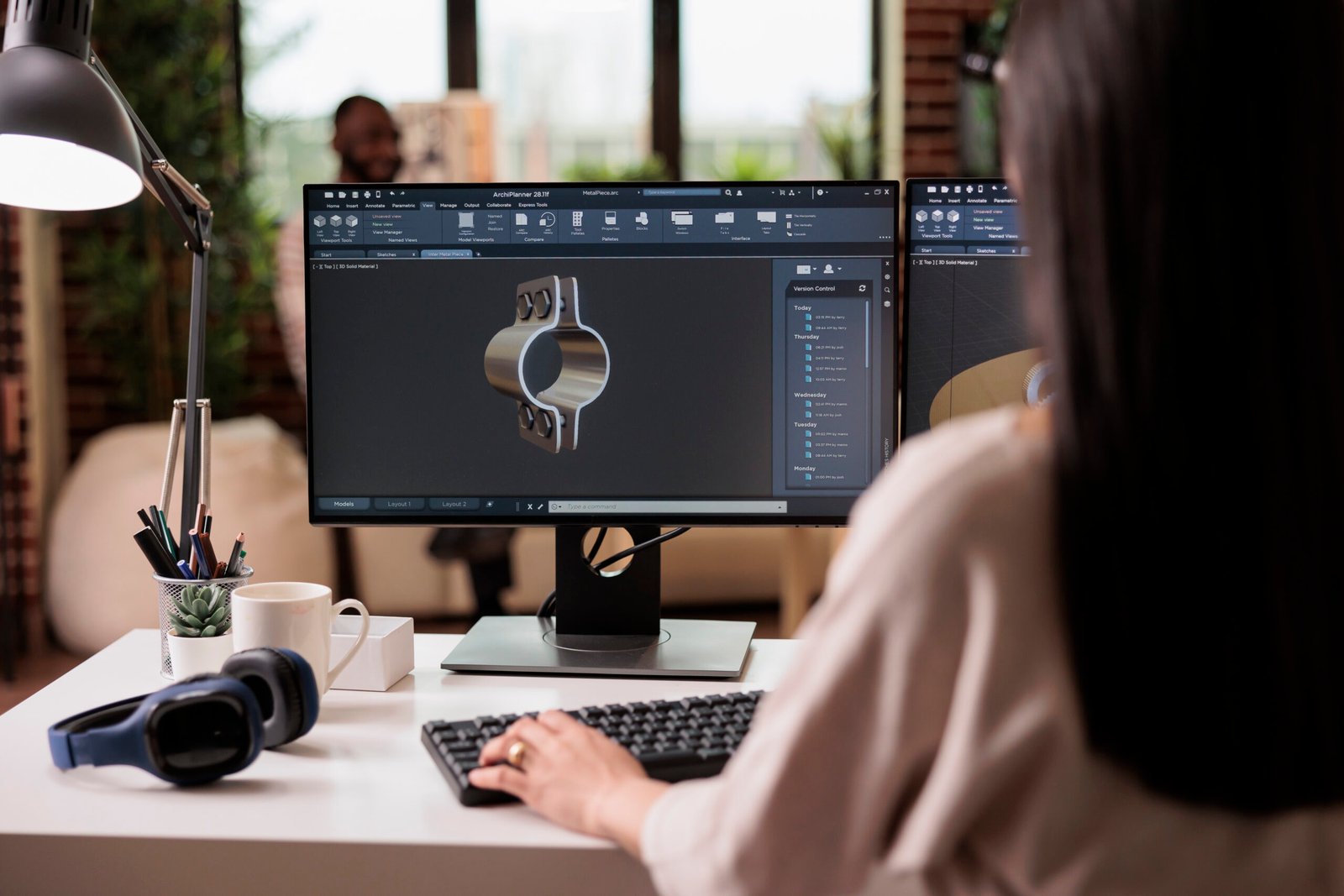
Beyond materials, design optimization plays a pivotal role. Using topology optimization and generative design, engineers can create rock guard geometries that minimize material usage while maximizing strength. These techniques allow for:
- Strategic rib placement to reinforce high-stress areas
- Variable wall thicknesses to reduce unnecessary mass
- Streamlined shapes that improve aerodynamics and aesthetics
Finite Element Analysis (FEA) and Computer-Aided Engineering (CAE) tools are indispensable in this phase, enabling rapid iteration and validation of design concepts before prototyping.
Manufacturing Efficiency: From Concept to Reality
Even the best design can falter if it’s not manufacturable. That’s why Design for Manufacturing (DFM) principles must be integrated early in the development process. By aligning design choices with production capabilities, manufacturers can:
- Reduce tooling complexity
- Minimize cycle times
- Lower scrap rates
- Ensure consistent quality
In some cases, additive manufacturing (3D printing) is used for prototyping or low-volume production, offering unmatched flexibility and speed. For high-volume applications, injection molding with optimized mold flow analysis ensures cost-effective scalability.
Sustainability and Compliance: The New Imperatives
Environmental regulations and corporate sustainability goals are driving the need for recyclable and eco-friendly materials. Lightweight rock guards contribute to lower vehicle emissions, while recyclable polymers reduce end-of-life impact. Compliance with standards like REACH, RoHS, and ISO 14001 is no longer optional—it’s a competitive necessity.
Cross-Functional Collaboration: The Key to Success
Optimizing rock guard design isn’t a siloed effort. It requires collaboration across design, engineering, procurement, and manufacturing teams. Early involvement of suppliers and material experts can uncover innovative solutions and avoid costly redesigns later. Agile development cycles and digital twins are helping teams stay aligned and responsive to changing requirements.
How Can InOpTra Help You Achieve These Goals?
At InOpTra, we specialize in helping automotive and industrial clients navigate the complexities of product optimization—especially when aggressive cost and weight targets are in play.
Here’s how we can support your rock guard design journey:
- End-to-End Design Optimization: From concept sketches to final CAD models, we apply advanced simulation and design tools to create lightweight, high-performance components.
- Material Selection & Validation: Our team evaluates alternative materials based on your performance, cost, and sustainability goals—backed by data-driven analysis and testing.
- Manufacturing Strategy Consulting: We help you align design with manufacturing capabilities, ensuring smooth transitions from prototype to production.
- Cost Engineering & Benchmarking: Our cost modeling tools identify savings opportunities across materials, processes, and supply chains.
- Sustainability Integration: We embed eco-design principles into every stage of development, helping you meet regulatory and ESG targets.
Whether you’re redesigning an existing rock guard or developing a new platform, InOpTra brings the expertise, tools, and agility to help you succeed. Let’s turn your constraints into competitive advantages.

