
What’s in the blog:
- 1. Energy Efficiency & Waste Heat Recovery
- 2. Electrification of Thermal Processes
- 3. On-Site Renewable Power Generation
- 4. Recycle Water & Resource Systems
- 5. Digitalization & AI: The Brain of the Green Plant
- 6. Sustainable Materials & Process Innovation
- Green Engineering Is Now a Business Strategy—Not an Experiment
For decades, “green engineering” in plant industry was often seen as a futuristic ideal admirable but costly and complex. Today, that narrative has changed. Driven by climate urgency, economic sense, and technological leaps, sustainable transformation is not only feasible but a strategic imperative.
The conversation has shifted from “why go green?” to “how can we start?” Let’s explore the practical, scalable solutions already boosting efficiency and cutting costs in plants today.
1. Energy Efficiency & Waste Heat Recovery
This is the undisputed starting point because it pays for itself.
- Feasible Tech: Advanced sensor networks and IoT platforms provide real-time energy analytics, identifying massive savings in compressed air, steam, and motor-driven systems.
- Waste Heat Recovery (WHR). Capturing excess heat from exhaust stacks, furnaces, or coolant systems to preheat boiler feedwater, generate steam.

2. Electrification of Thermal Processes
The move from fossil-fuel-fired heat to electric alternatives is accelerating.
- Feasible Tech: Electric boilers and heat pumps for low-to-medium temperature requirements (e.g., cleaning, drying, space heating). For high-temperature processes, electric arc furnaces in steel and resistance heating are mature technologies.
- The Key Driver: The business case strengthens dramatically when paired with on-site renewable energy, shielding operations from volatile gas and oil prices.
3. On-Site Renewable Power Generation
Energy independence is becoming a tangible goal.
- Feasible Tech:
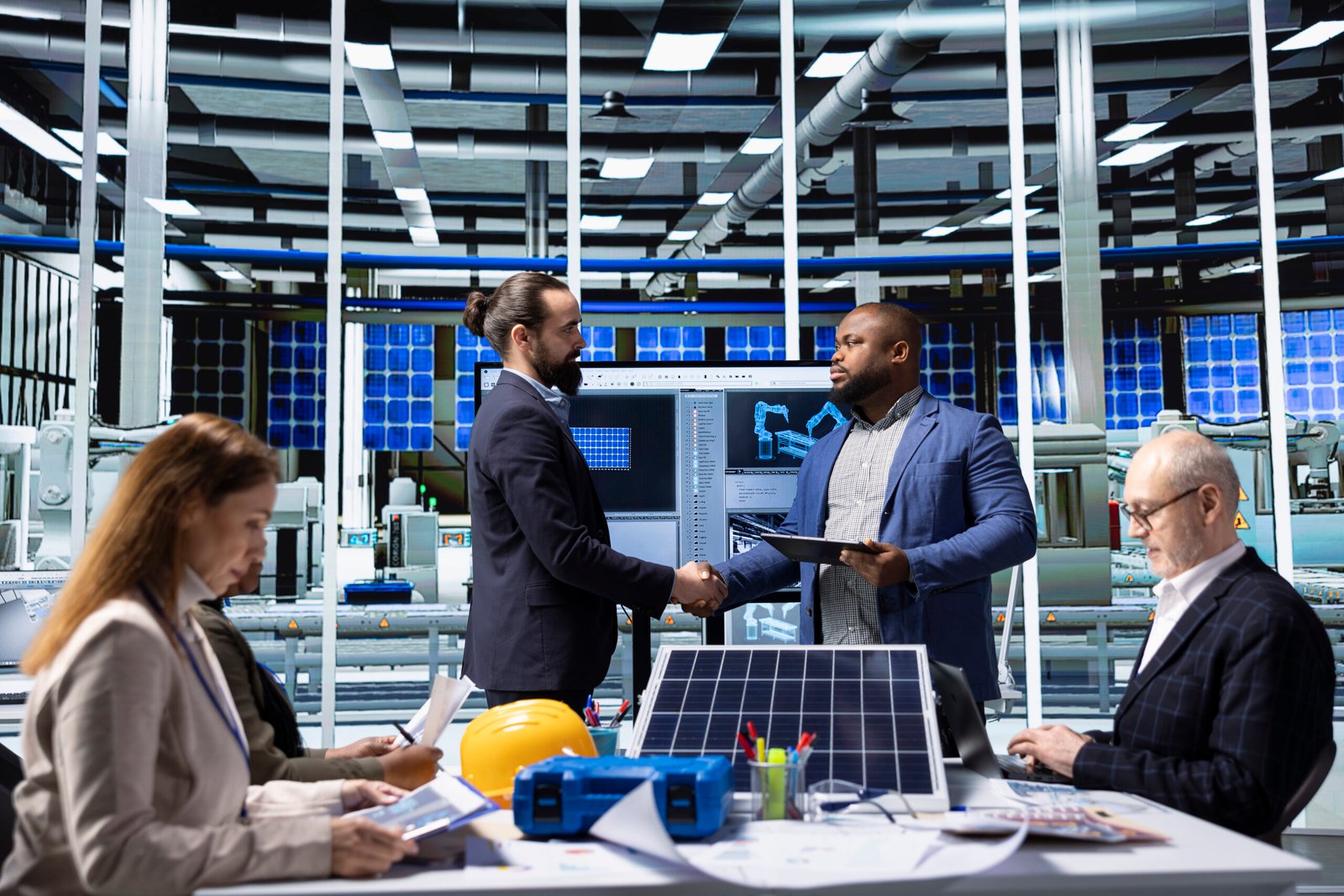
- Rooftop & Ground-Mount Solar: Vast warehouse roofs and unused land are being transformed into power plants. Falling PV costs and flexible financing (PPAs) make this a no-brainer.
- Wind: Feasible for plants with large, suitable sites.
- Biogas: For food, beverage, or wastewater treatment plants, anaerobic digesters can turn waste into a continuous, baseload fuel source.
- Impact: Reduces grid dependence, locks in long-term energy costs, and meets corporate renewable energy targets.
4. Recycle Water & Resource Systems
“Zero Liquid Discharge” (ZLD) and water minimization are moving from regulatory compliance to strategic resource management.
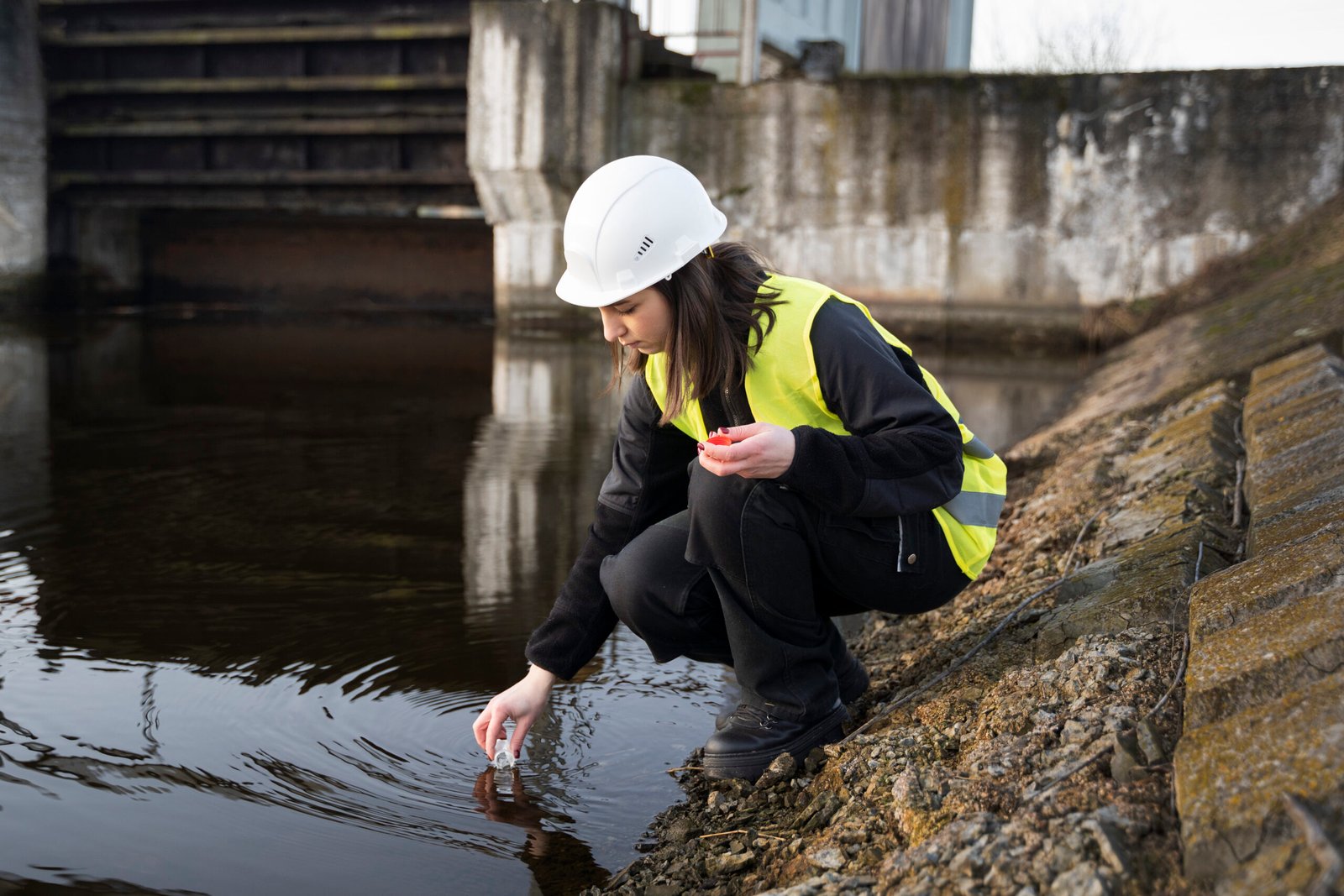
- Feasible Tech: Advanced membrane filtration (Reverse Osmosis, Ultrafiltration), electrodialysis, and AI-driven water balance modeling allow plants to recycle 90%+ of their process water.
- Bonus: These systems often recover valuable by-products (metals, salts) from wastewater streams, creating a new revenue line.
5. Digitalization & AI: The Brain of the Green Plant
You can’t manage what you don’t measure. Digital tools are the force multiplier for all green initiatives.
- Feasible Tech: Digital Twins create a virtual replica of your plant, allowing you to simulate and optimize for energy use and emissions before making physical changes. AI-powered predictive maintenance prevents energy-wasting equipment failures, while machine learning optimizes complex processes like combustion in real-time for peak efficiency.
- Outcome: This is where marginal gains are systematically captured at scale.

6. Sustainable Materials & Process Innovation
Green engineering extends to what goes into the product.
- Feasible Today: Incorporating industrial by-products (slag, fly ash) , shifting to bio-based solvents or coatings, and designing for disassembly and recyclability.
- Feasible Soon: CCUS (Carbon Capture, Utilization, and Storage) is moving from pilot to early commercial scale, especially for capturing CO2 for use in beverages, chemicals, or in other facilities.
Green Engineering Is Now a Business Strategy—Not an Experiment
The era of green engineering as a theoretical cost center is over. Today, it is one of the most powerful levers for industrial resilience, margin protection, and long-term competitiveness. The technologies are proven, the economics are compelling, and early adopters are already pulling ahead—locking in lower energy costs, reducing operational risk, and future-proofing their plants against tightening regulations and volatile markets.
The real challenge is no longer what to do but how to execute without disrupting operations or inflating capital costs.
This is where a structured, engineering-led approach matters.
At InOpTra, we work with industrial clients to move green engineering from concept to execution—by combining deep process engineering, digital capabilities, and India-based Global Capability Centers (GCCs) that scale delivery efficiently. From energy audits and digital twins to electrification roadmaps, renewable integration, water recycling systems, and AI-driven optimization, we help plants translate sustainability goals into measurable operational outcomes.
Every plant’s starting point is different. But standing still is no longer an option.
The leaders of the next industrial decade will be those who treat green engineering not as a side project but as a core design principle for how modern plants are built, operated, and scaled.
The question is no longer “Should we go green?”
It’s “How fast can we capture the value?”

